
Law Office of Ravi Patel
Blog
Plain-English articles on Heggstad petitions, probate, trusts, and estate planning in California.
-
Emergency Probate and Trust Petitions: How We Move Quickly When Time Is Short
When a foreclosure date, a closing deadline, or another emergency requires immediate authority over a decedent’s or trustor’s property, California probate courts have tools for moving quickly. A look at ex parte relief under Probate Code sections…
-
California's New $750,000 "Probate Shortcut" for the Family Home: What It Really Does (and What It Doesn't)
California's new $750,000 probate shortcut (AB 2016) lets families transfer a primary residence without full probate, saving tens of thousands in fees. But the gross-value rule, title insurance pitfalls, and personal debt liability mean this tool…
-
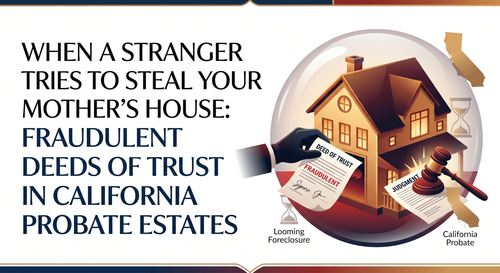
When a Stranger Tries to Steal Your Mother’s House: Fraudulent Deeds of Trust in California Probate Estates
A fraudulent six-figure deed of trust appeared on a client's late mother's home (back-dated, forged, recorded by a defunct nonprofit). Here's how we cancelled it before foreclosure, and how to spot the pattern before it happens to your family.
-
Can “Pay-on-Death” Designations Be Overcome by Evidence of the Owner’s Intent?
Pay‑on‑death (POD) designations are intended to offer a simple way to transfer account assets outside of probate, but what happens when family members argue that the designation doesn’t reflect what the account owner actually meant? A closer look at…
-
Challenging a California Trust on Grounds of Incapacity or Undue Influence: What the Law Requires—and What It Takes to Prove
Learn what it takes to successfully challenge a California trust based on incapacity or undue influence. This article breaks down the legal standards under the California Probate Code, explains the evidence courts rely on, and outlines how statutory…
-
Heggstad Petition
Fast-Track Your Trust Fix: Ex Parte Heggstad Petitions
If a property or account was left out of a California trust, an Ex Parte Heggstad Petition may offer fast legal relief, often in just days. Learn how the Law Office of Ravi Patel helps clients avoid probate delays, stop foreclosures, and secure…

-
Heggstad Petition
How to Win a Heggstad Petition in Los Angeles County
Learn how to successfully file and win a Heggstad Petition in Los Angeles County. This guide covers venue rules, filing procedures, required evidence, and common mistakes, plus tips for faster court approval. Written by an attorney with extensive…

-
Heggstad Petition
Fixing Property Left Out of a Trust
When property is accidently left out of a trust, a Heggstad petition can be used to get a court order confirming that the asset is actually part of the trust estate. A Heggstad petition can help keep the house or account left out of the trust from…

-
Heggstad Petition
Emergency TROs to Stop Foreclosure in Heggstad Cases
Facing foreclosure on a property that should have been in a trust? Learn how an Ex Parte TRO can stop the sale and protect trust assets while a Heggstad Petition is pending. This guide explains the legal process, notice requirements, and real-world…

-
Heggstad Petition
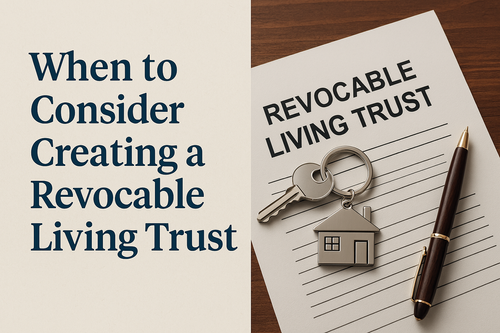
Trust or Not to Trust? Smart Moves in Estate Planning
Unlock the full potential of your estate plan with a trust. Discover when a trust is essential, from protecting minor children, streamlining property transfers, shielding assets from MediCal claims, and empowering professional trustees. Learn the key…
-
Heggstad Petition
How to Write a Heggstad Petition
Sample Heggstad petition form and examples of key Heggstad petition terms and allegations. Although seemingly straightforward, a Heggstad petition requires consideration of numerous technical details. Because many petitions are uncontested, courts…

-
Estate Planning
How do I disinherit my sibling?
Consider adding these terms to your estate plan if you are considering disinheriting a troublesome sibling.

-
Estate Planning
Three Reasons Not to Create a Living Trust
Three reasons not to have a living trust.

-
Trust Administration
Trust Administration: First steps to Administer a House as Successor Trustee
Trust Administration: First Steps to Administer a House as Successor Trustee.

-
Trust Administration
Probate Alternatives for Low Value Land: Small Estate Affidavit for Real Property DE-305
Probate alternatives: filing a small estate affidavit for low value land.

-
Heggstad Petition
How to win a Heggstad Petition in Orange County
How to win a Heggstad petition in Orange county.

-
How can I track down missing heirs for a Heggstad Petition?
A court won’t give you an order without notice. So what do you do if you can’t find a handful of the heirs entitled to notice? Search, search, and search some more.

-
What happens at a Heggstad Petition hearing?
You’ve given notice, proved up the assets, and waited patiently for a hearing date. Next, you finally get a hearing. Now the judge will hear your petition and make a ruling.

-
Who gets notice of a Heggstad Petition?
Trustees, beneficiaries, heirs, and more are entitled to notice of Heggstad Petitions. Make sure everyone entitled to notice of your petition gets properly served.

-
Poor Descriptions of Trust Property
Even if a trust does not describe an asset with precision, a Heggstad Petition can still claim the property without a probate.

-
How long does a Heggstad Petition take?
Depending on the county of filing, a Heggstad Petition can take from 3 months to a year to complete. There are some options to accelerate the Heggstad Petition, but if you need a Heggstad Petition, it is best to act quickly. Law Office of Ravi Patel…
-
Descriptions of property for Heggstad Petitions — What’s enough?
Trusts that only provide general descriptions of property can claim property pursuant to a Heggstad Petition if extrinsic evidence can identify the trust property with reasonably certainty. Heggstad Petitions help successor trustees claim trust…
-
Where should a Heggstad Petition be filed? —Venue in Probate Code 850 petitions.
Venue in trust matters, like Heggstad Petitions pursuant to California Probate Code section 850 depends on the residence of the trustee, not the decedent's residence at death or the location of the property. Venue in Heggstad Petitions is governed…
-
How to Win a Heggstad Petition
Heggstad Petition are a great tool for successor trustees trying to claim trust property. Instead of having to go through a full probate, a Heggstad Petition allows a successor trustee to avoid probate and claim just property in a much faster and…
-
Estate Planning
Estate Planning for Unmarried Partners
Unmarried life partners face unique challenges when planning their estates. Without the protections of traditional marriage, non-spouse partners can be left vulnerable in the event of death or incapacity of one partner. The Law Office of Ravi Patel…
-
Estate Planning
Community Property and Estate Taxes
When a spouse dies, it can be important to distinguish between their community property and separate property. Learn about the distinctions. The Law Office of Ravi Patel can help you prepare an estate plan, trust, will, guardianship and other estate…
-
Estate Planning
Characterization of Community Property and Seperate Property
In California, it is important for married couples to distinguish between their community property and separate property when preparing an estate plan. The Law Office of Ravi Patel can help prepare an estate plan, will, trust, power of attorney…
-
Estate Planning
Holding Joint Title to Property in California
People who own property jointly can hold property as tenants in common, joint tenancy, community property, community property with a right of survivorship or trust. Contact the Law Office of Ravi Patel if you need help changing title to match your…
-
Estate Planning
What’s in a Will?
Wills are the foundation of any comprehensive estate plan. The Law Office of Ravi Patel can help you prepare and execute your will. Law Office of Ravi Patel provides attorney estate planning services in Oakland, Alameda, Richmond, Walnut Creek…
-
Estate Planning
Nominating Guardians for Minor Children
Parents should always nominate guardians to take care of their children. Guardians can be nominated to take care of children in the even that parents die or become incapacitated. The Law Office of Ravi Patel can help you prepare a nomination of…
Have a question about your family’s situation?
Book a free consultation and an attorney will walk you through your options.